All Categories
Featured
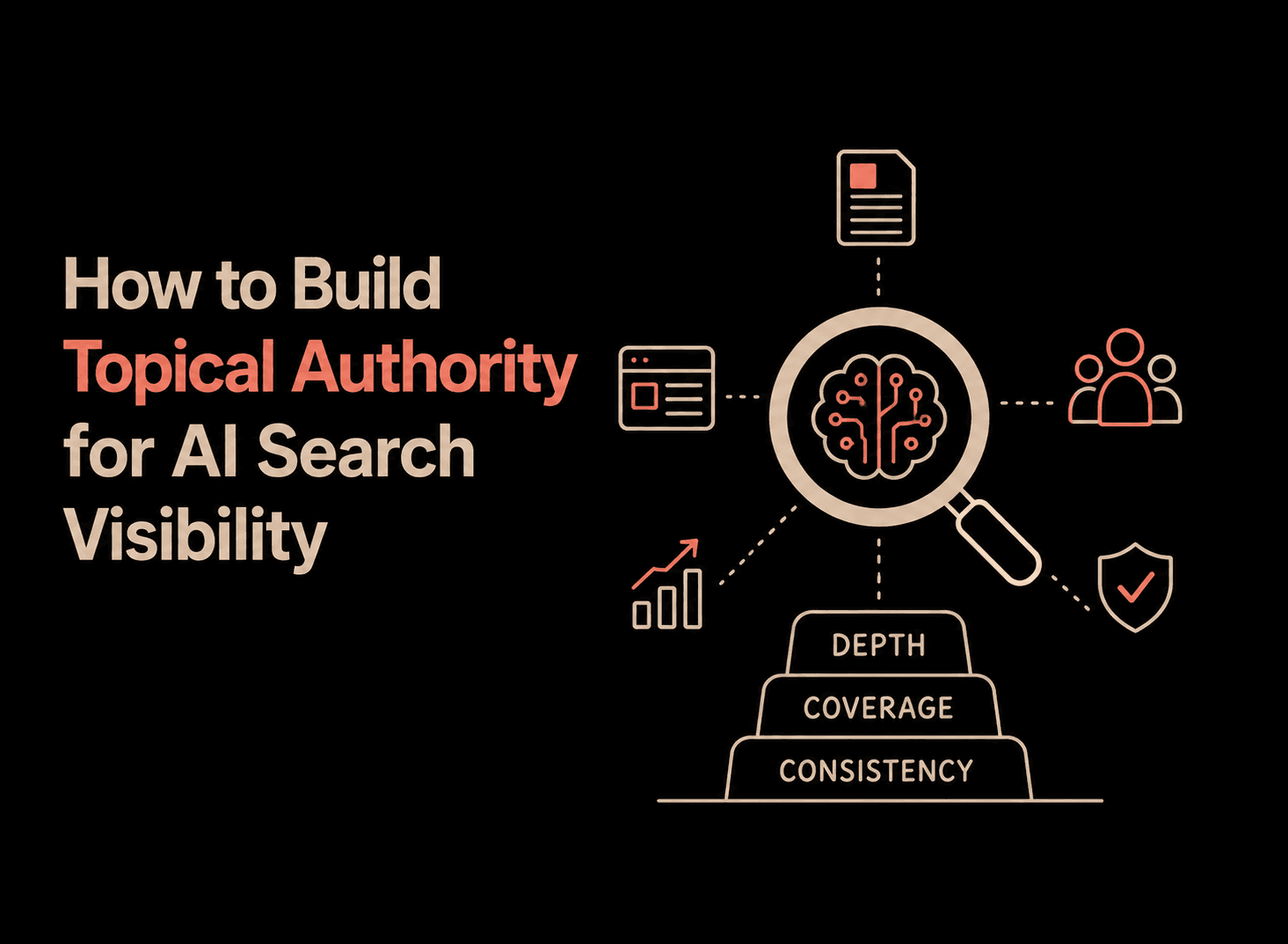
Essential Tips for Automated SEO Success
"You'll see a tree diagram consisting of questions that Google users who browsed your subject also asked: Click on any of these to check out more follow-up questions and utilize the most appropriate ones to inspire your content.: Here are some tools that can help you assess your website's dependability and competence in a subject area: Semrush's Topical Authority metric can help you determine how trustworthiness your website has for specific search terms." There will be a rating of"Low,"" Moderate, ""Relevant, "or" High"under the "Topical Authority"label."Near the top of the page, you'll see"Referring Domains"( the number of domains that point back to your site)and"Backlinks" (the total number of backlinks pointing to your website ).
You can also inspect domain authority with our totally free site authority checker. The complete Backlinks report likewise includes a wealth of practical information, like: "": The main subject locations of the websites connecting to yours." ": The leading anchor text of your backlinks. Google utilizes anchor text to understand what your websites have to do with."": The circulation of your referring domains by Authority Scores. Backlinks from more authoritative websites are usually more important ."": How backlink appears on the page(image, text, and so on). Text backlinks are typically better for SEO. So, monitor your positions for target keywords. If you're acquiring exposure for a few associated terms, it could be a sign you're constructing trust around that subject. Semrush's Position Tracking tool makes tracking your ranking positions for keywords simple. Enter your domain and click"." Next, configure your settings. Consist of the search engine, device, location, and language that you desire to track positions for. They must include the search terms that you wish to build topical authority around. And click"."Select whether you wish to get weekly e-mail updates on your keyword positions. Click "."After opening the report, you'll arrive at the"Landscape" tab.
Scroll down to see the top-performing keywords for your domain and keywords for which your domain's visibility has actually increased ("Positive Effect ")and reduced(" Unfavorable Impact") in the chosen period. To see whether you're constructing topical authority. Then, compare your ranking positions before and after the content was released. You can change your picked period utilizing the button on top right of the report.
Mastering Your Future Content Workflows
If you see favorable boosts in ranking positions, you're most likely building topical authority in those topic locations. Visit to Google Analytics( GA4 )to see whether gos to are up or downFrom the control panel, click ""in the leading left corner. Then, go to "" >""> "."There, you'll see a breakdown of your traffic by channel. Look at the" Organic Search "row and compare the information to what you saw from the previous period. Focus on structure topical authority with your content to develop unstoppable.
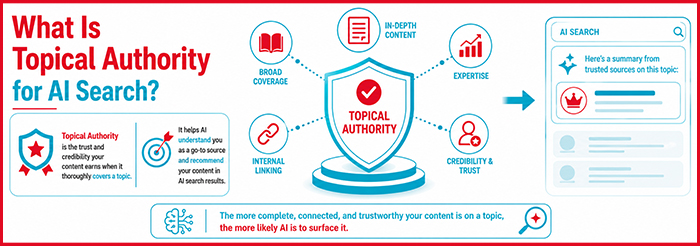
[target1:anchor_exact1]momentum. And use Semrush's AI-powered keyword tools to get a better understanding of your website's topical authority for your target search terms. So you can pursue the best terms to improve your trustworthiness. Take a look at the tools noted in this article with a totally free trial. If you've been in SEO long enough, you understand that Google has been attempting to determine genuine know-how behind web documents for several years. From the stopped working "Authorship"job to its E-E-A-T standards, we have lots of evidence of that battle. This is where the term" "comes from, and here's what you require to understand about it: As the term recommends, topical authority means the go-to resource for or a widely known expert on (or both)a particular subject . I tend to believe it's both since one can reinforce the other. Google works by recognizing and categorizing entities, so if your (individual) brand is classified in a relevant classification, you're one action closer to ending up being a topical authority. To prove this point, this is the requirements utilizes to recognize and analyze topical authority for each story:" How notable a source is for a subject or area "(This is the entity category)."... a source's history of premium reporting, or suggestions from expert sources, such as professional societies [and] journalistic awards"(These are recommendations from other connections from other entities Google learns about).

There are likewise great reasons that Google looks at the content and authorship when determining topical authority: Topical authority is not a brand-new concept. It's made up of several authority signature entries. The patent notes that the goal is "to figure out users with knowledge in certain subjects." The patent likewise explores the possibility of how a series of files can contribute to the" Authority Signature Value"of their author. The authority signature value collects the author's weighted authorship on a topic across several documents they have actually authored. It's still revealing to know that Google has been offering this "authorship "information quite some thought for a long time. Searching Google will help you comprehend topical authority even better. From Understanding Panels to additional areas like"Articles"and "About, "you'll have a much better concept of topical authority with the outcomes standing for branded searches: Google's brand-driven image search is also valuable in understanding how Google classifies any brand: Now, let's get to some actionable ideas here( I hope you got down here to find it, however all the dull things above is essential to comprehend what we require to do to develop topical authority). Enough for you to have time and resources to format it well, surface it effectivelyon your website, and market it successfully to acquire other crucial signals(like links and engagements). This sounds old, but it remains important. From whatever I pointed out above, it's apparent that Google assigns topical authority based on the authoritativeness of the resource. Don't make it about quantity. Focus on popular reliable resources. If Google understands one thing well it's entities and how these are connected. Being pointed out by other entities indicates becoming part of Google's Understanding base, that is, its map of the world. This isn't a simple process. You'll require to take a couple of actions, consisting of: Get nominated and win market awards. Write for popular market publications(this is what I am doing here, for example )Take part in interviews(appearing in podcasts is likewise terrific ). Get prominent publications to cite your content (buy top quality journalistic outreach ). Become part of expert organizations(and discuss that on your website ). Whatever you do will ultimately-straight or indirectly -assist you develop yourself as a topical authority. All of these will add to your becoming an entity, one step at a time. Schema helps Google connect all the dots. Google supports simply a couple of schema types but it mentions sometimes:"Surpass those."Usage Schema to connect to your official channels, markup your authorship, and include your locations of know-how. Start by setting up a to tell Google a bit more about your brand name and competence.

Latest Posts

Best AI SEO Tools for US Businesses
Developing Automated Content Workflows for 2026
Best AI SEO Tools for Topical Authority